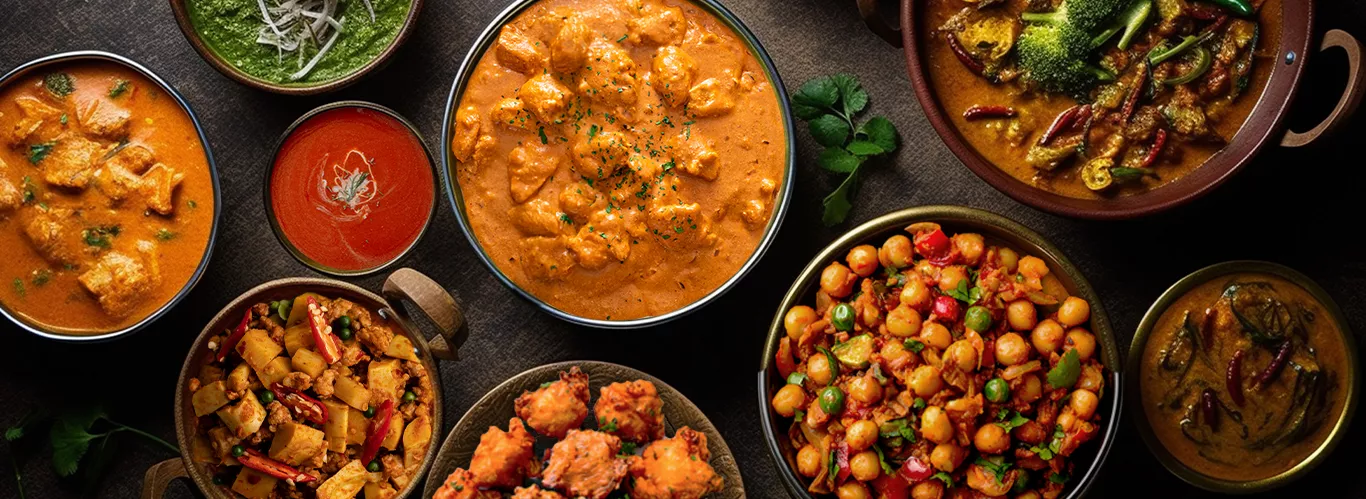
Kasuri Methi is one of those ingredients that quietly works its magic in Indian cooking. Just a small pinch can add a rich aroma, subtle bitterness, and a distinctive depth of flavour that makes everyday dishes taste more special. From creamy curries to simple dals, it is a pantry staple that many home cooks rely on to create restaurant-style flavours at home.
What is Kasuri Methi?
Kasuri Methi is a dried form of fenugreek leaves. Fresh fenugreek leaves are carefully harvested, dried, and crushed to preserve their aroma and flavour. Widely used across Indian cuisine, it is known for its slightly bitter, earthy taste and fragrant aroma. A small amount can enhance the overall flavour of a dish, making it a favourite ingredient in both home kitchens and restaurants.
Key Takeaways:
- Made from dried fenugreek leaves.
- Known for its earthy aroma and mildly bitter taste.
- Commonly used to enhance the flavour of Indian dishes.
The History of Kasuri Methi and Why Is It So Popular?
Kasuri Methi gets its name from the Kasur region, historically known for producing high-quality fenugreek leaves. Today, it is enjoyed across India and beyond for its ability to elevate a wide range of recipes.
While fresh methi leaves have a stronger and more pronounced bitterness, dried Kasuri methi offers a concentrated flavour with a pleasant aroma. Drying intensifies its taste, making even a small quantity highly effective.
Its versatility has made it popular in North Indian, Punjabi, Bengali, and several regional cuisines. Professional chefs and home cooks alike use it to add depth and complexity to dishes without requiring additional spices.
Key Takeaways:
- Originated from the Kasur region, known for quality fenugreek leaves.
- Drying concentrates its flavour and aroma.
- Widely used across regional Indian cuisines for added depth and complexity.
Top Uses of Kasuri Methi in Everyday Cooking
There are countless uses of kasuri methi in Indian kitchens. Its ability to complement different ingredients makes it suitable for a variety of dishes.
Curries and Gravies
Adding crushed Kasuri Methi to rich tomato-based gravies enhances both aroma and flavour. It balances the richness of cream and butter while adding a distinctive finishing touch.
Paneer Dishes
Popular paneer recipes often rely on this ingredient for their characteristic restaurant-style flavour. It pairs particularly well with creamy and mildly spiced preparations.
Dal Recipes
One of the most common uses of kasuri methi in cooking is in dals. A small pinch added before serving can make simple lentil dishes taste more flavourful and aromatic.
Vegetable Preparations
Dry vegetable dishes benefit from the earthy notes of Kasuri Methi. It works especially well with potatoes, peas, cauliflower, and mixed vegetables.
Butter Chicken and North Indian Dishes
Many iconic North Indian recipes use Kasuri Methi as a finishing ingredient. It adds the signature aroma often associated with restaurant-style curries.
Stuffed Parathas and Breads
Kasuri Methi can be mixed directly into dough or added to fillings for parathas. This gives bread an extra layer of flavour.
Snacks and Savoury Recipes
From savoury biscuits to namkeen mixtures and tikkis, the ingredient can add depth and complexity to snacks.
Key Takeaways:
- Versatile ingredient suitable for a wide variety of recipes.
- Enhances both flavour and aroma in savoury dishes.
- Can be used as an ingredient or a finishing touch.
How to Use Kasuri Methi for Maximum Flavour
Getting the best results from Kasuri Methi does not require complicated techniques. A few simple cooking practices can help unlock its signature aroma and rich flavour.
- Crush before adding: Gently rub the dried leaves between your palms to release their natural aroma and enhance their flavour.
- Add towards the end of cooking: Kasuri Methi is best used during the final few minutes of cooking so that its distinctive fragrance remains intact.
- Use in moderation: Start with about half a teaspoon for most dishes and increase gradually if needed. A little goes a long way.
- Pair with rich ingredients: It works exceptionally well with tomatoes, butter, cream, paneer, and other ingredients commonly used in North Indian cooking.
- Sprinkle as a finishing touch: A final garnish of crushed Kasuri Methi can instantly elevate the taste and aroma of curries, dals, and vegetable dishes.
- Avoid overusing it: Excessive amounts can make a dish taste overly bitter and overpower other flavours.
These simple tips can help you make the most of Kasuri Methi and bring a richer, more balanced flavour to everyday recipes.
Key Takeaways:
- Crush the leaves before adding them to dishes.
- Add towards the end of cooking to preserve aroma.
- Use sparingly to avoid excessive bitterness.
Benefits of Adding Kasuri Methi to Home Cooking
Kasuri Methi is more than just a seasoning. Its distinctive aroma, versatility, and numerous benefits of kasuri methi make it a valuable ingredient that can enhance a variety of dishes with minimal effort.
- Adds a rich aroma: Its distinctive fragrance helps make dishes more inviting and flavourful.
- Enhances overall taste: A small pinch can add depth and complexity to curries, dals, vegetables, and snacks.
- Creates a restaurant-style finish: It is often the secret ingredient behind the flavour of many popular Indian dishes.
- Works across multiple recipes: From paneer preparations and gravies to parathas and savoury snacks, it complements a wide range of foods.
- Convenient to store and use: With a long shelf life, it remains readily available whenever you need to add extra flavour to a meal.
- Elevates everyday cooking: Even simple home-cooked dishes can taste more special with the addition of Kasuri Methi.
Its versatility, convenience, and flavour-enhancing qualities make Kasuri Methi an essential ingredient in Indian kitchens.
Key Takeaways:
- Improves aroma, flavour, and overall taste.
- Helps achieve restaurant style results at home.
- Versatile, convenient, and easy to store.
How to Store Kasuri Methi for Longer Freshness
Proper storage helps Kasuri Methi retain its aroma, flavour, and freshness for a longer period. Since dried fenugreek leaves can easily absorb moisture and odours, a few simple precautions can make a big difference.
Store in an Airtight Container
Always transfer Kasuri Methi to an airtight container after opening the pack. This helps protect it from moisture and prevents the leaves from losing their aroma.
Keep Away from Heat and Sunlight
Store the container in a cool, dry place away from direct sunlight, stovetops, and other heat sources. Excessive heat can reduce the flavour and fragrance of the dried leaves over time.
Avoid Moisture Exposure
Use a dry spoon whenever handling Kasuri Methi. Even small amounts of moisture can affect its quality and cause the leaves to lose their crisp texture.
Keep Away from Strong-Smelling Ingredients
Kasuri Methi can absorb strong aromas from nearby ingredients. Store it separately from pungent spices and other strongly scented foods to preserve its natural flavour.
Check Freshness Before Use
Over time, dried herbs may gradually lose their potency. If the leaves no longer release a strong aroma when crushed between your palms, it may be time to replace them.
When stored properly, Kasuri Methi can maintain its flavour and aroma for several months, ensuring you always have a convenient way to add depth and richness to your favourite recipes.
Key Takeaways:
- Store in an airtight container.
- Keep away from heat, sunlight, and moisture.
- Protect from strong odours to maintain freshness.
Conclusion
Great cooking often comes down to the smallest details, and Kasuri Methi is one ingredient that proves exactly that. Its rich aroma and distinctive flavour can add depth, balance, and character to a dish in seconds. Whether you are preparing a comforting dal, a restaurant-style curry, or a simple homemade paratha, this humble herb can make every recipe more memorable. By understanding its many uses and incorporating it into your everyday cooking, you can enjoy the full benefits of Kasuri Methi while bringing authentic Indian flavours to your table. With Sunrise Spices Kasuri Methi, creating dishes that taste rich, aromatic, and truly satisfying becomes effortless.
Frequently Asked Questions
What is Kasuri Methi used for?
Kasuri Methi is used to enhance the flavour and aroma of curries, dals, paneer dishes, vegetables, breads, and snacks.
When should Kasuri Methi be added to food?
It is best added towards the end of cooking to preserve its aroma and flavour.
Can Kasuri Methi be used in dal?
Yes. A small amount added before serving can improve the taste and aroma of many dal recipes.
Is Kasuri Methi the same as fresh fenugreek leaves?
No. Kasuri Methi is made from dried fenugreek leaves and has a more concentrated flavour than fresh methi.
How much Kasuri Methi should be used in cooking?
Generally, half to one teaspoon is enough for most dishes. The quantity can be adjusted according to personal preference.